

 Purpose Built Websites Since 1996
Canadian Web Design for Small
and Growing Businesses
Purpose Built Websites Since 1996
Canadian Web Design for Small
and Growing Businesses


The Right Website Starts With the Right Questions

◈ Who is the website for?
Your website needs to speak directly to the customers you want most. That means understanding your target audience, the services that matter most to you, and whether the goal is to reach locally, regionally, or Canada wide.
◈ What does the website need to accomplish?
The idea that “build a great-looking website and they will come” is not accurate. A great looking website is important, but design alone doesn't create results. Visitors should quickly understand what your business offers, why they should trust you, and what to do next. Every page should have a clear purpose.
◈ How will people find you?
Modern SEO and AI-powered search rely on clear content, logical structure, strong internal linking, based solid technical foundations. Each page of your website needs to be structured for both human visitors and modern search systems, making it easier for both to understand your business, your services, and the information you are conveying to visitors.
◈ Discovery is the first step in every project
This process includes understanding your business goals, your competitor positioning, target audiences you want to reach most, and the service regions you serve. We build your website with a sharp focus on purpose and intent, not just guesswork. A clear understanding of these elements ensures that your website is aligned with your business objectives and the needs of your customers.
At Canada Web Pro, your website comes after understanding your business and goals, and not before.
5 Star Review 
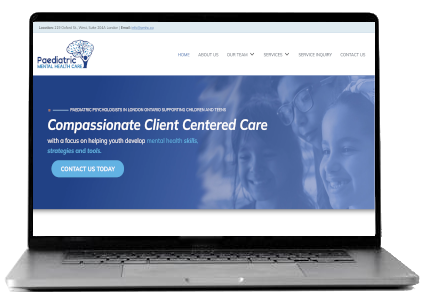
"Working with Don was a seamless process! Don was very attentive to detail, prompt with his replies, and always open to revisions! Communication with Don was second to none and he was able to address my unique website needs with professionalism and a high degree of expertise! Don't look elsewhere....Don will take care of your needs!"
Dr. Anthony Folino
Paediatric Mental Health Care (PMHC) | pmhc.ca
Ontario Canada
5 Star Review
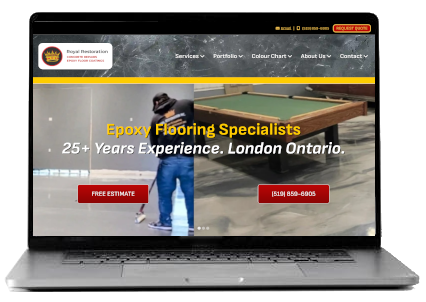
"Don is a professional and a delight to work with. His detailed breakdown of the website development process simplified the experience for us, avoiding unexpected surprises and additional costs. As a business owner, it was refreshing to collaborate with someone who consistently exceeds expectations, addresses the small details, and prioritizes our interests. we would recommend Canada Web Pro without hesitation to anyone looking for Website building and related services. Thank you!"
Scott Brazier | Owner
Royal Restoration | royalconcretepro.ca
Ontario Canada
5 Star Review
"I hired this company to help me with SEO services as we have been struggling to find good help in this area. we was so glad we hired them. They were professional, efficient with their time, highly customer service oriented and did an amazing job. If you are looking for website services in Canada we highly recommend you try this professional company, they over deliver and get your site seen. They really understand the new changes with AI too. we will be recommending them to everyone we know!"
Michelle | Owner
SilkenLather | SilkenLather.ca
London Ontario Canada

Fully Managed Websites for Businesses Across Canada
Canada Website Design Services for small and growing businesses in every Canadian province.
Note: Quebec projects are supported in English only.
Who we are
Canada Web Pro is a web design and website management company based in London, Ontario that serves all Canada.
What we do
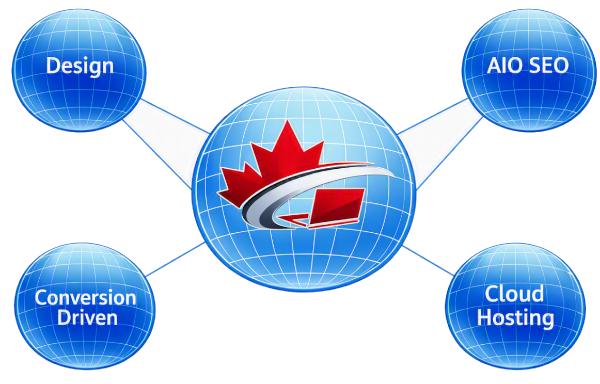
We build fast, modern, conversion focused websites for businesses across Canada.
Services include
Web design, website management, hosting, SEO, and ecommerce websites.
Who we serve
Small businesses, trades, professionals, ministries, service‑based companies, and growing mid‑sized corporations.
Where we serve
London, Southwestern Ontario, Northern Ontario, GTA, Western Canada, and Atlantic Canada.
Why choose us
Fast websites, reliable hosting, clear communication, modern design, and long term support.